
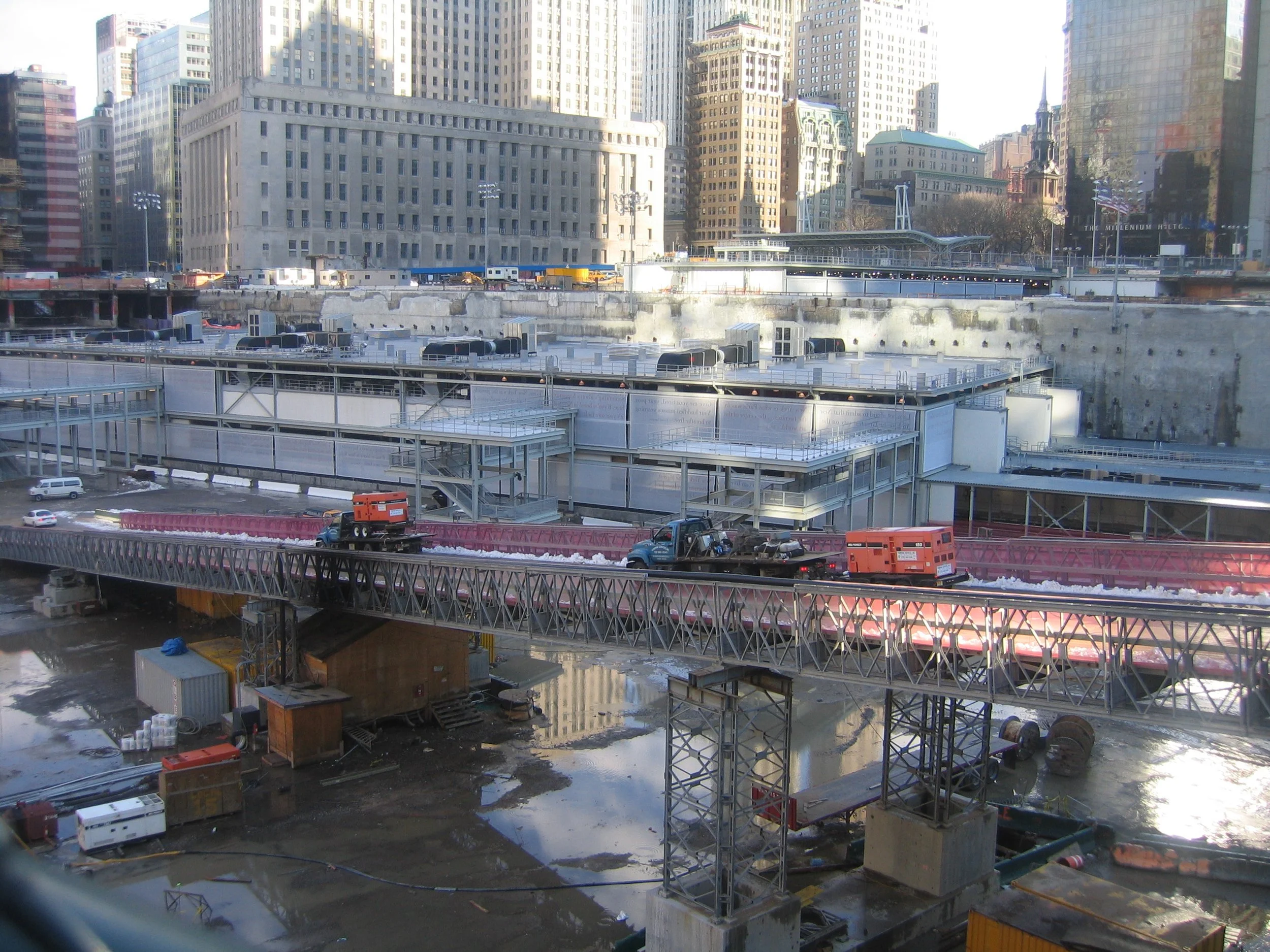
Remembering 9/11 - 25 years later
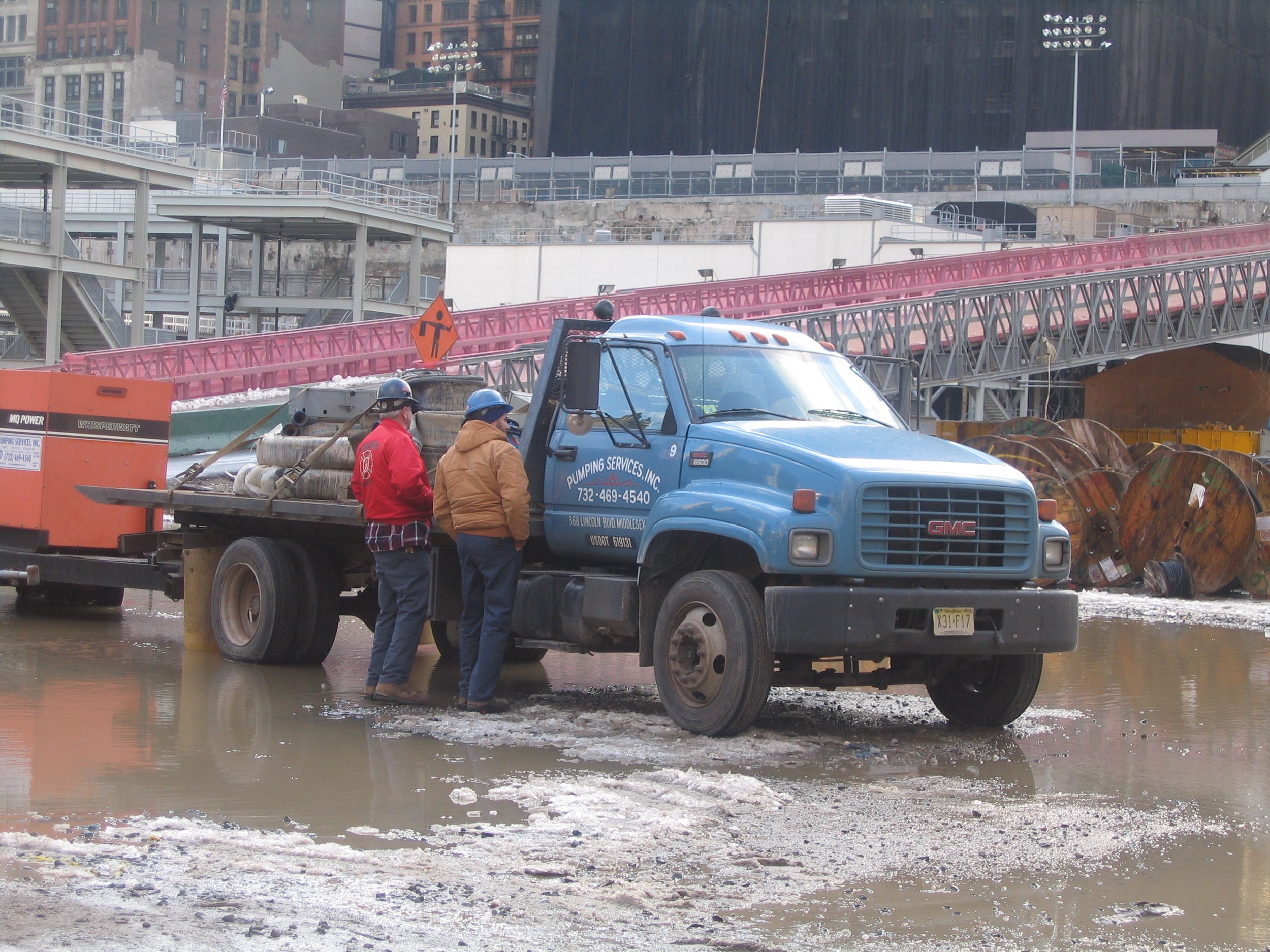
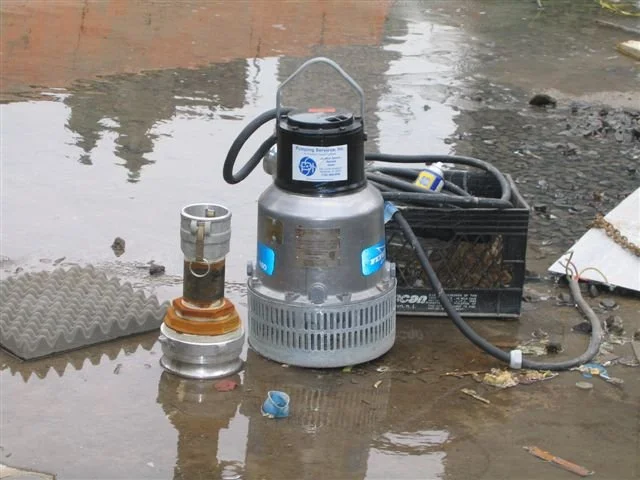
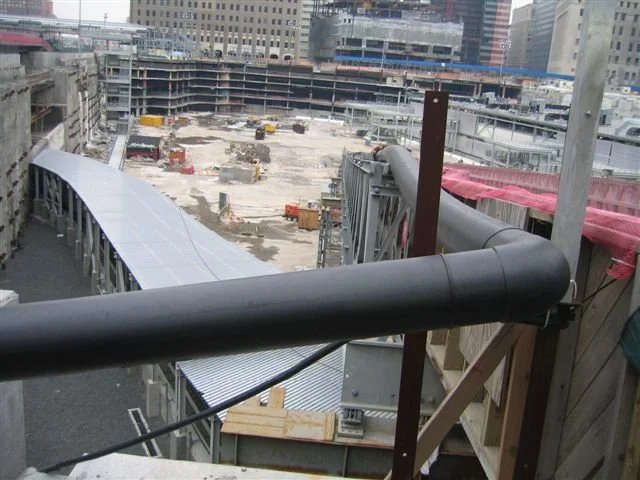
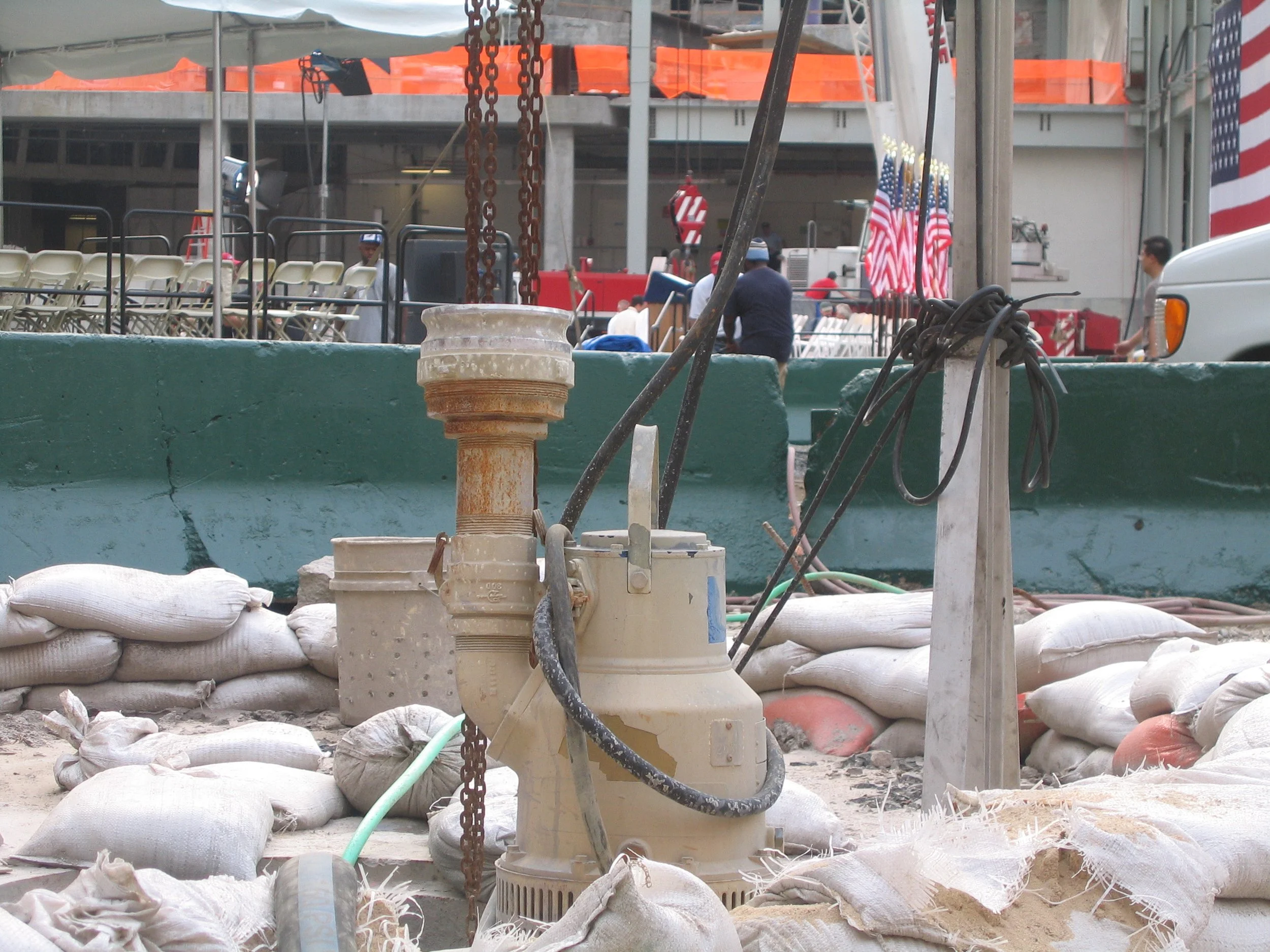
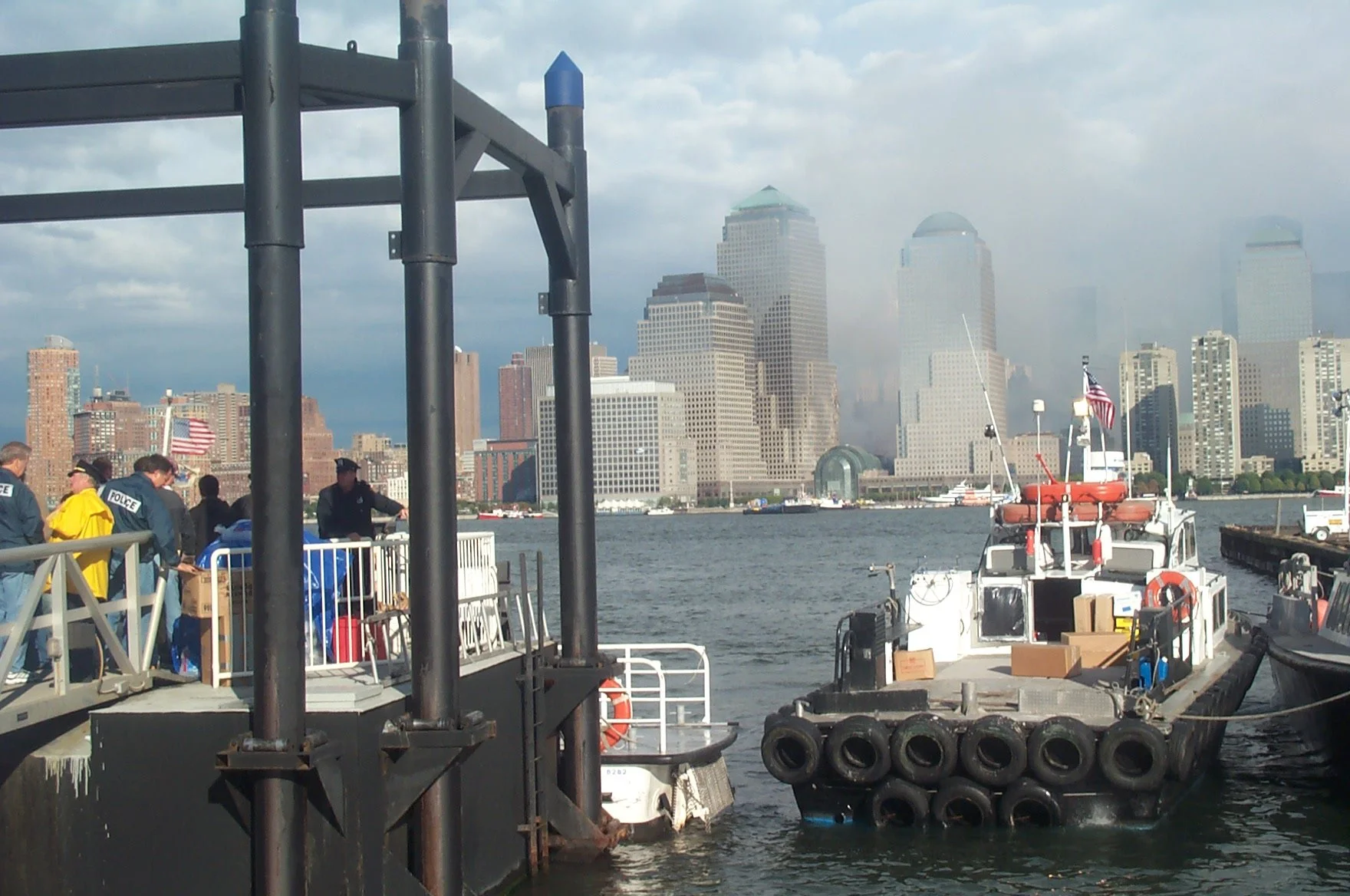
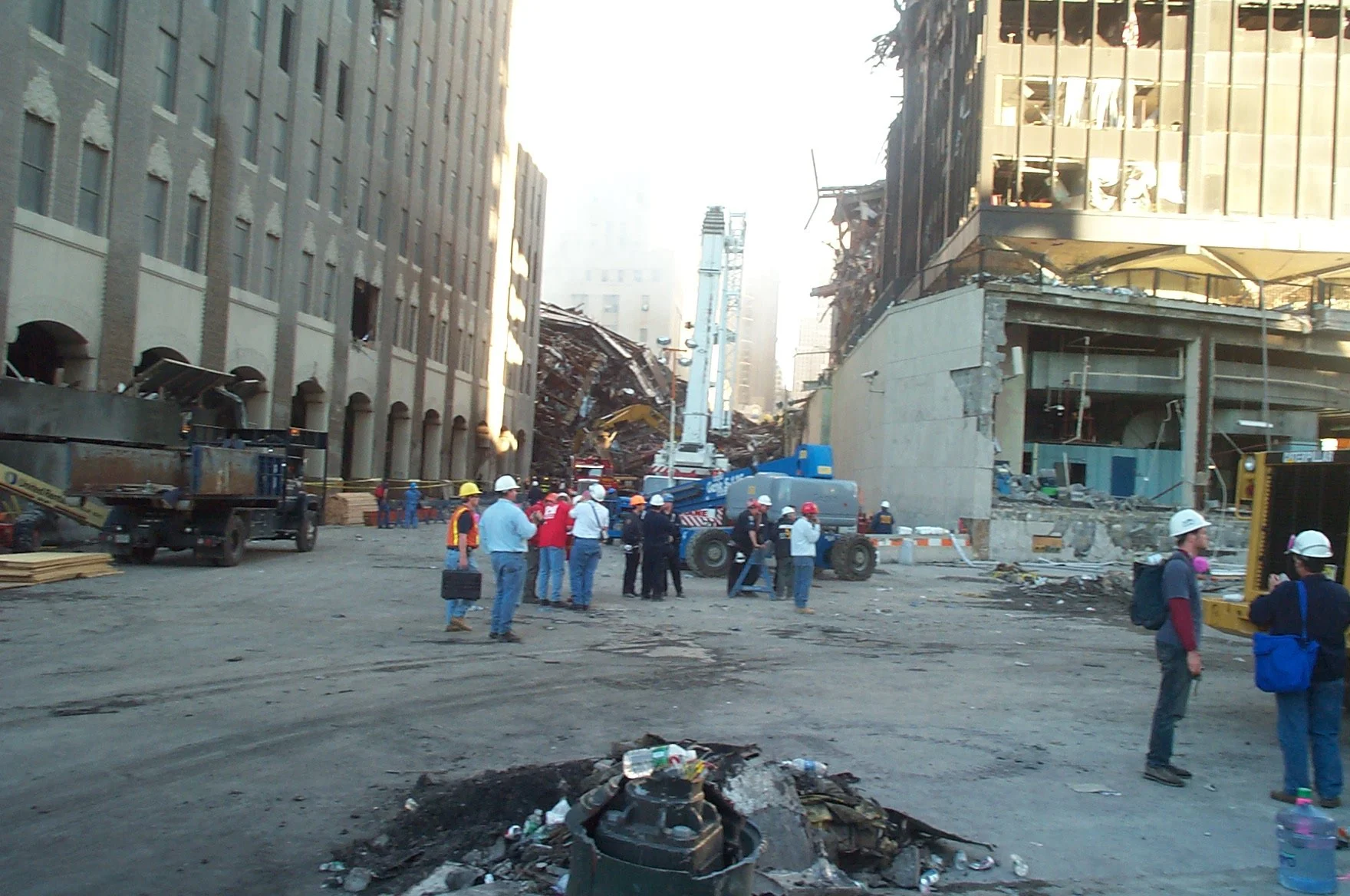
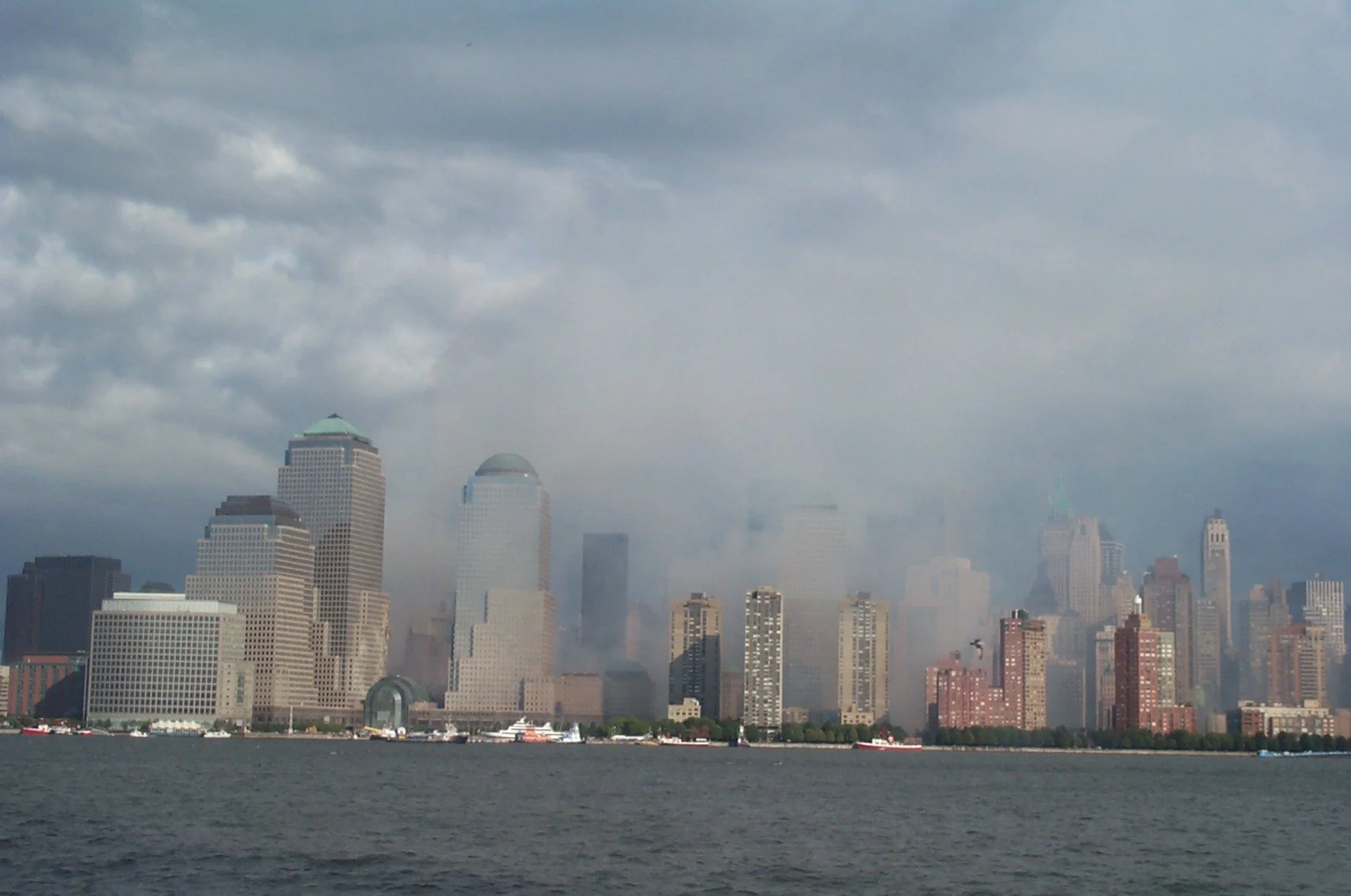
As the 25th anniversary of the September 11th attacks approaches, PSI reflects on that time with both sadness and pride. It remains one of the most tragic events in American history, particularly for those in New York City and the surrounding region. The attacks brought immense loss, uncertainty, and fear as the nation grappled with the aftermath, concerns about additional attacks, and the safety of first responders and volunteers. At the same time, critical questions emerged regarding the stability and protection of the infrastructure connected to the World Trade Center site.
Following the collapse of the Twin Towers, millions of gallons of water from firefighting efforts, damaged water mains, and broken sewer lines began accumulating in the World Trade Center basement and underground infrastructure. One of the most significant concerns was the potential failure of the site's slurry wall, a massive underground barrier designed to keep Hudson River water from flooding lower Manhattan. Had the wall failed, it could have inundated the PATH tunnels, Exchange Place Station, and large portions of New Jersey's underground transportation network.
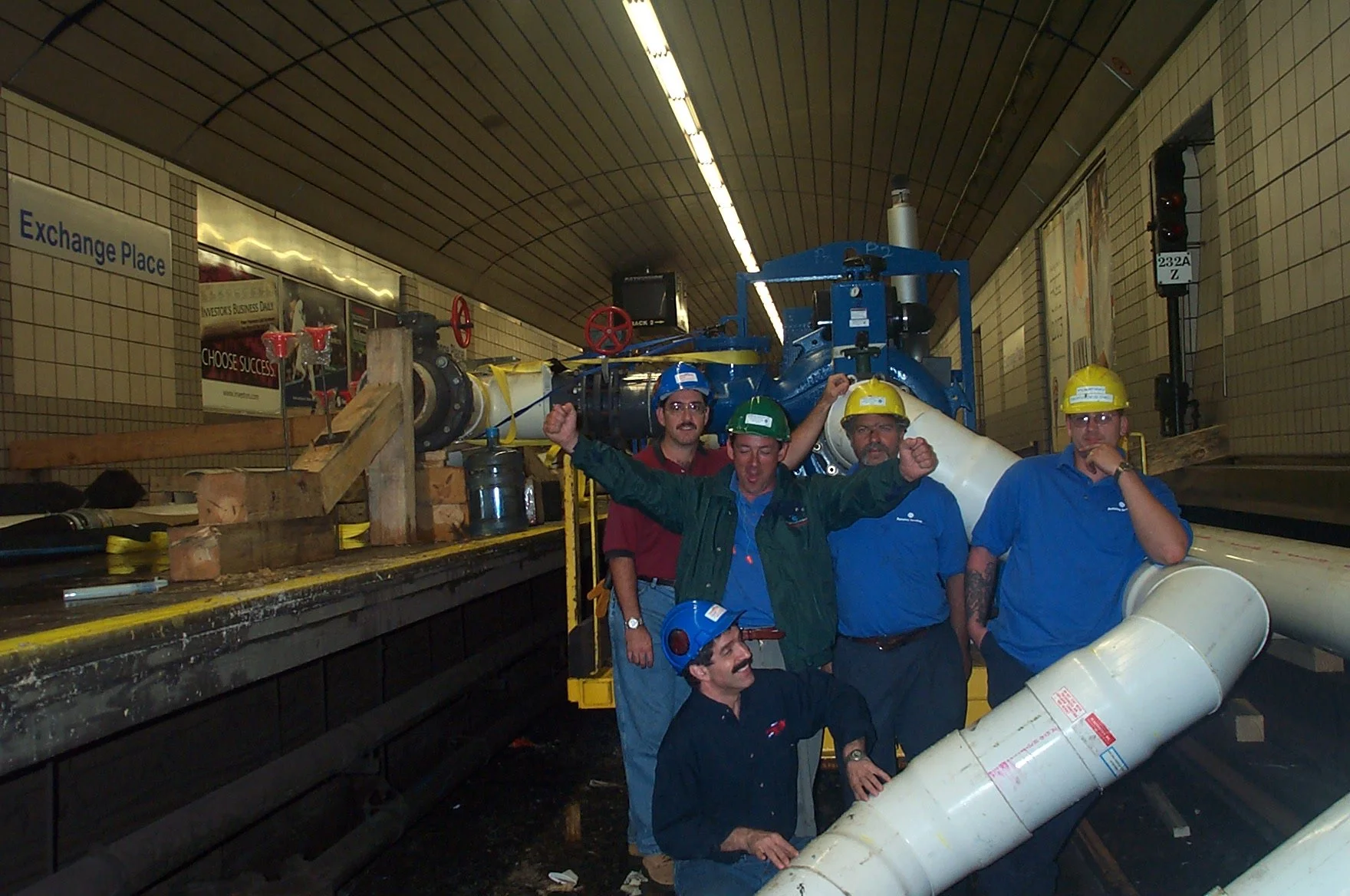
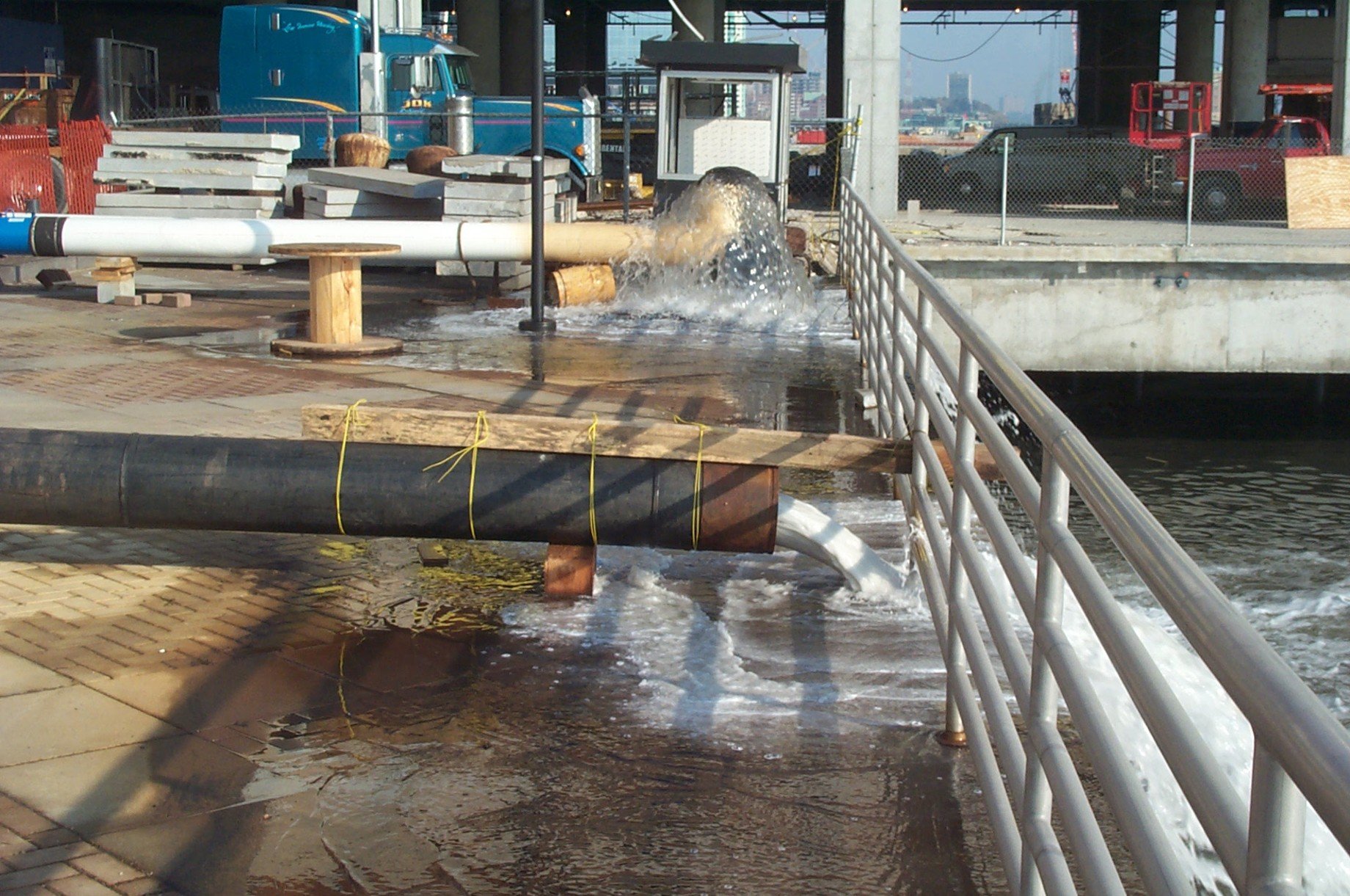
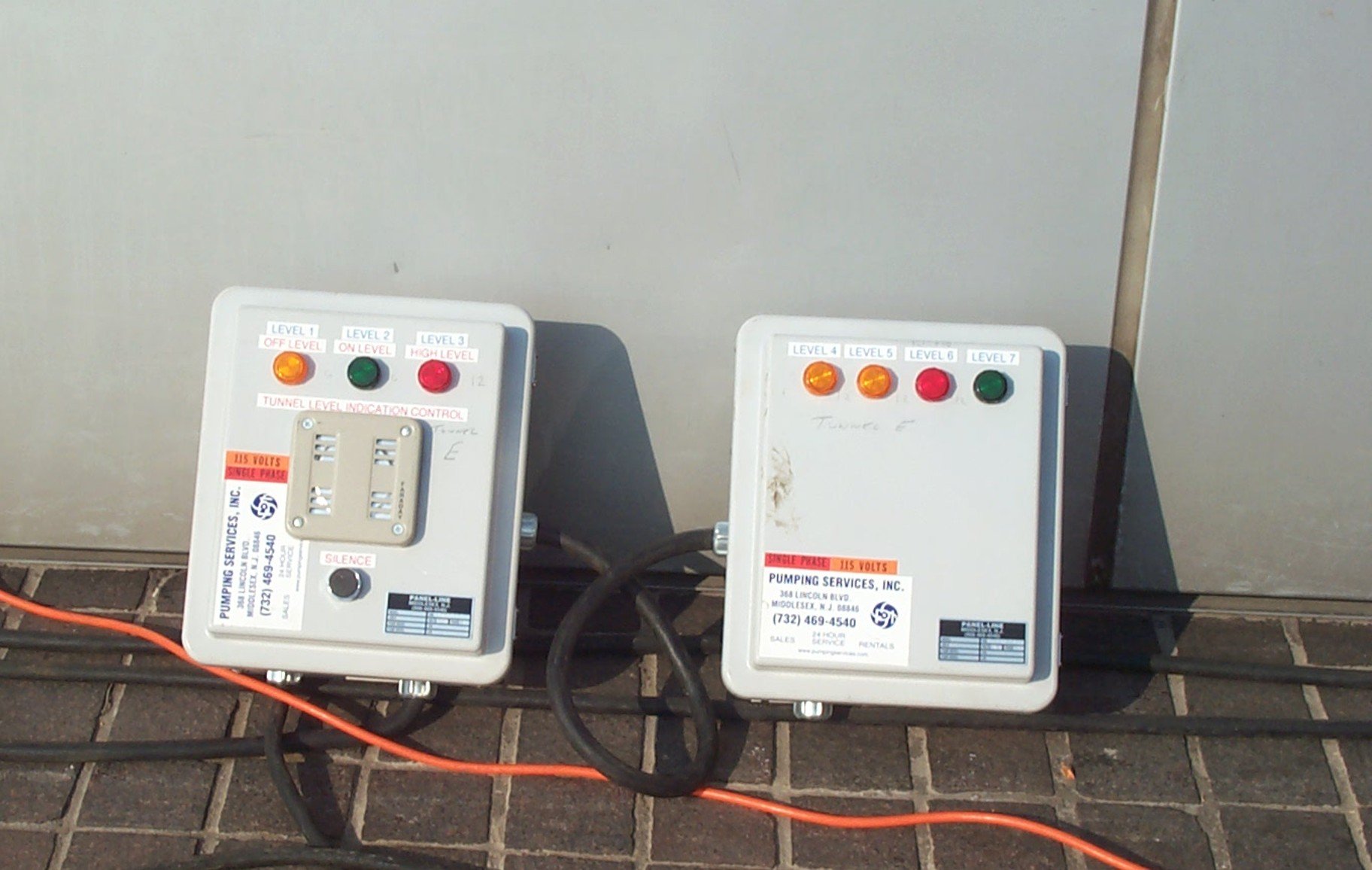
Working under extraordinarily difficult and dangerous conditions, the Port Authority, with support from Pumping Services, Inc., Xylem-Flygt, numerous contractors, engineers, and rescue personnel, rapidly organized a large-scale emergency pumping operation. Together, the team designed, procured, transported, and installed a complex dewatering system in a matter of days. Their successful efforts removed water from critical tunnels and underground infrastructure, helping to prevent a secondary disaster during one of the nation's darkest moments.
Threat to the Slurry Wall and PATH System
The WTC slurry wall was approximately:
3 feet thick
70 feet high
Over 3,000 feet long
Enclosed the 16-acre WTC site
Engineers feared:
Collapse or cracking of the wall
Hudson River infiltration
Flooding of the PATH tunnels to New Jersey
Destabilization of foundations and underground structures
Millions of gallons of water were already accumulating underground within hours of the attacks.
Immediate Emergency Response
By September 17, 2001:
The Port Authority held emergency planning meetings.
A project team was formed to:
Pump water from the tunnels
Install concrete bulkheads
Protect the transportation system from flooding
The situation was highly uncertain because:
Little engineering data was available.
Time pressure was extreme.
Human lives were still at risk.
Equipment had to operate continuously, 24 hours per day.
Massive Logistics Operation
Designing a Large Dewatering System
Pump Configuration
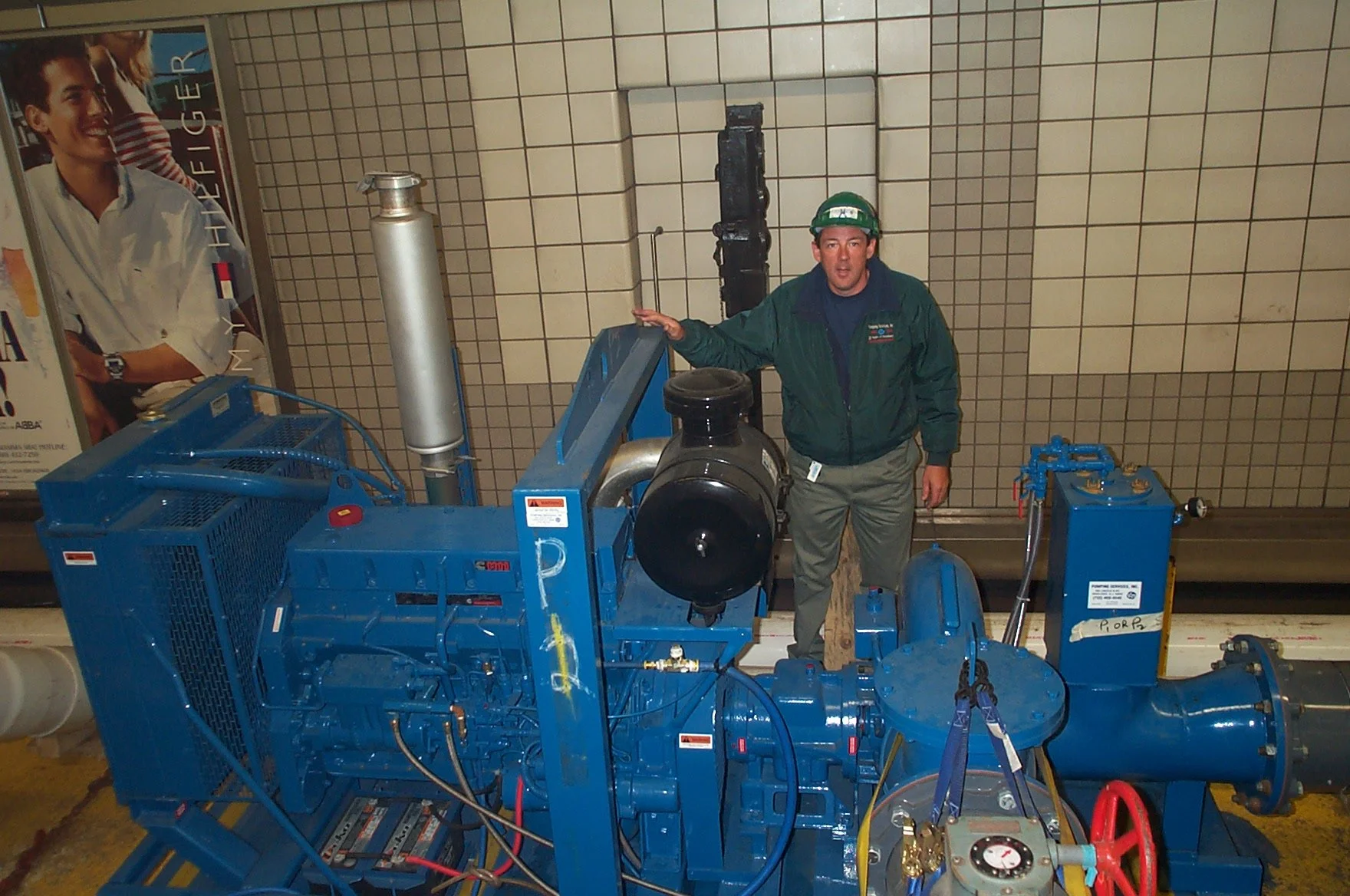
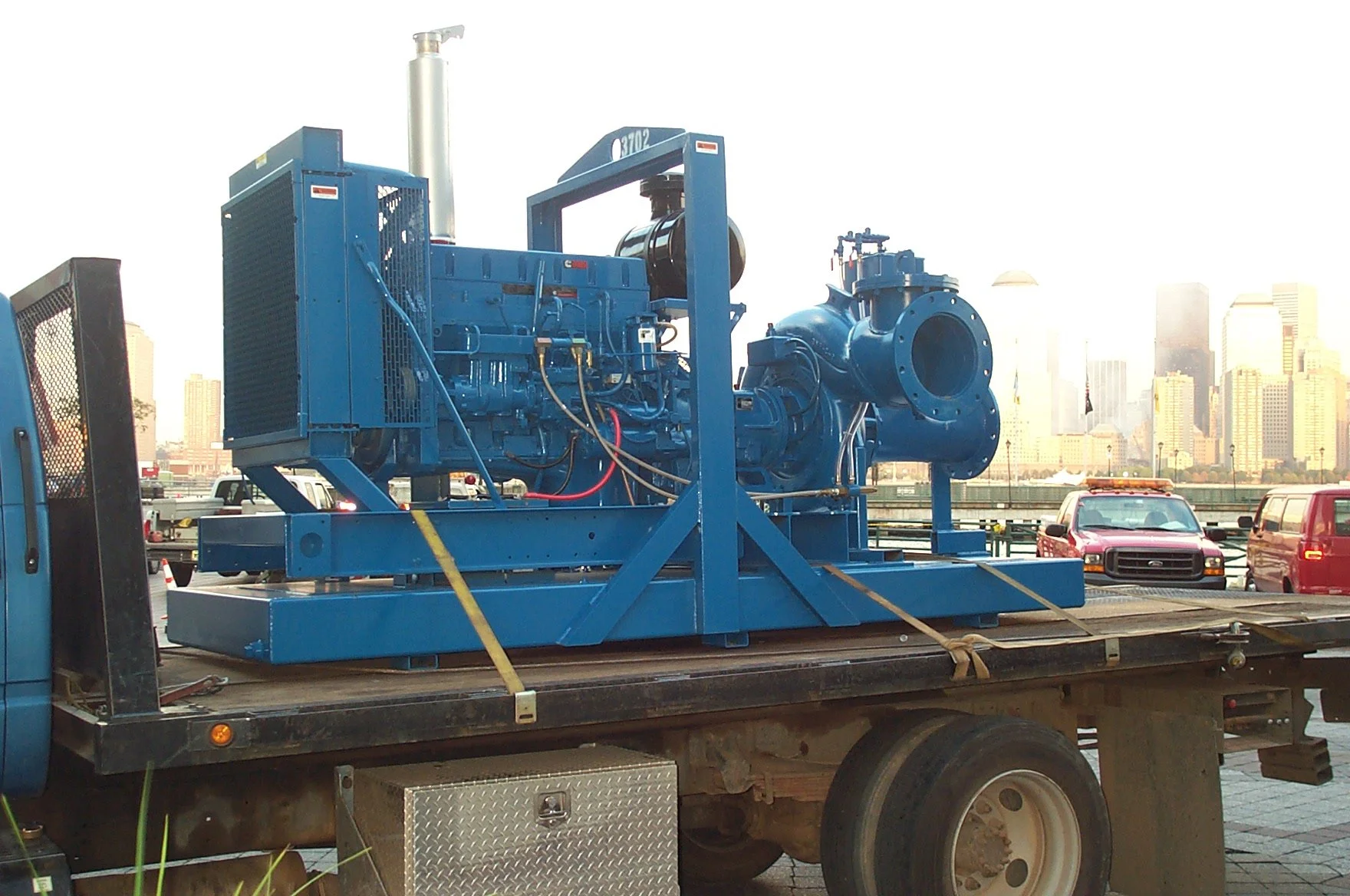
Three 12-inch diesel-driven self-priming pumps
300 HP engines
Capacity:
4,000 gallons per minute each
Operating against approximately 270 feet of head
Pipe System
12-inch suction lines
Suction runs approximately 1,500 feet long
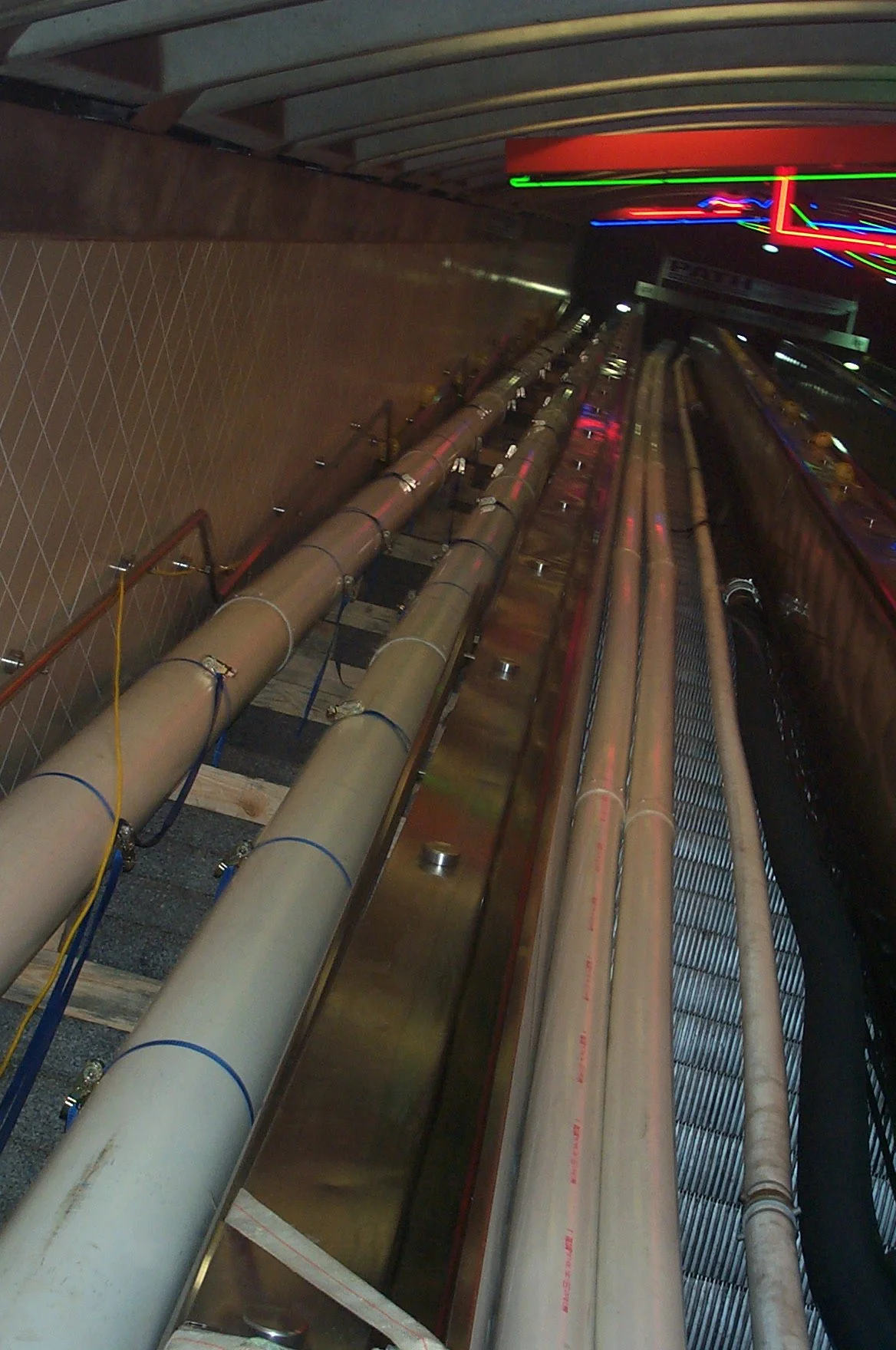
Discharge piping routed up:
escalators
stairs
approximately 70-foot vertical rise
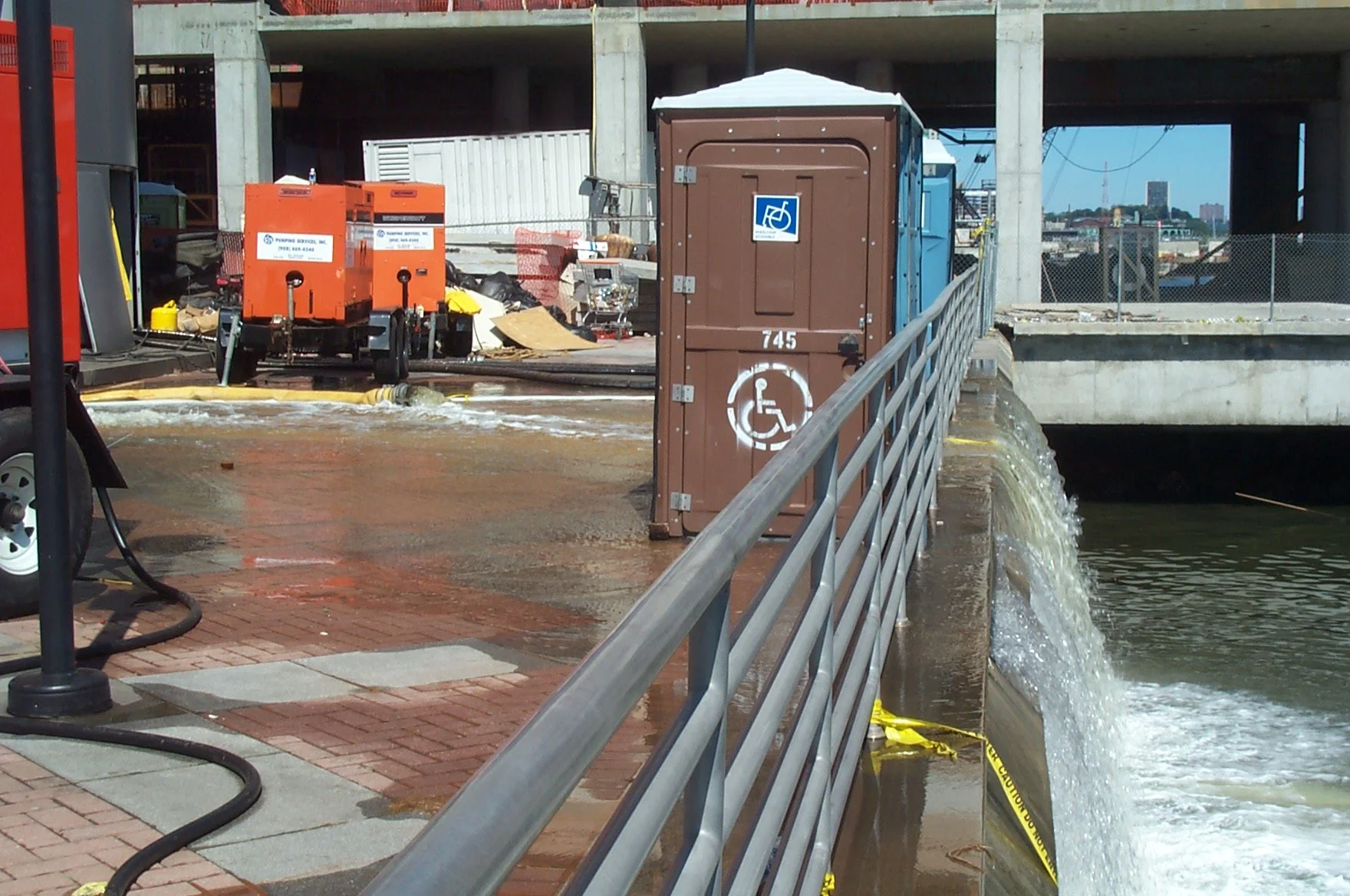
Water would ultimately be discharged into the Hudson River.
Equipment was sourced nationwide: Pumps, Piping, Fuel Tanks, Power Equipment, Control Systems, Diving Equipment, Safety Gear, and Communication equipment.
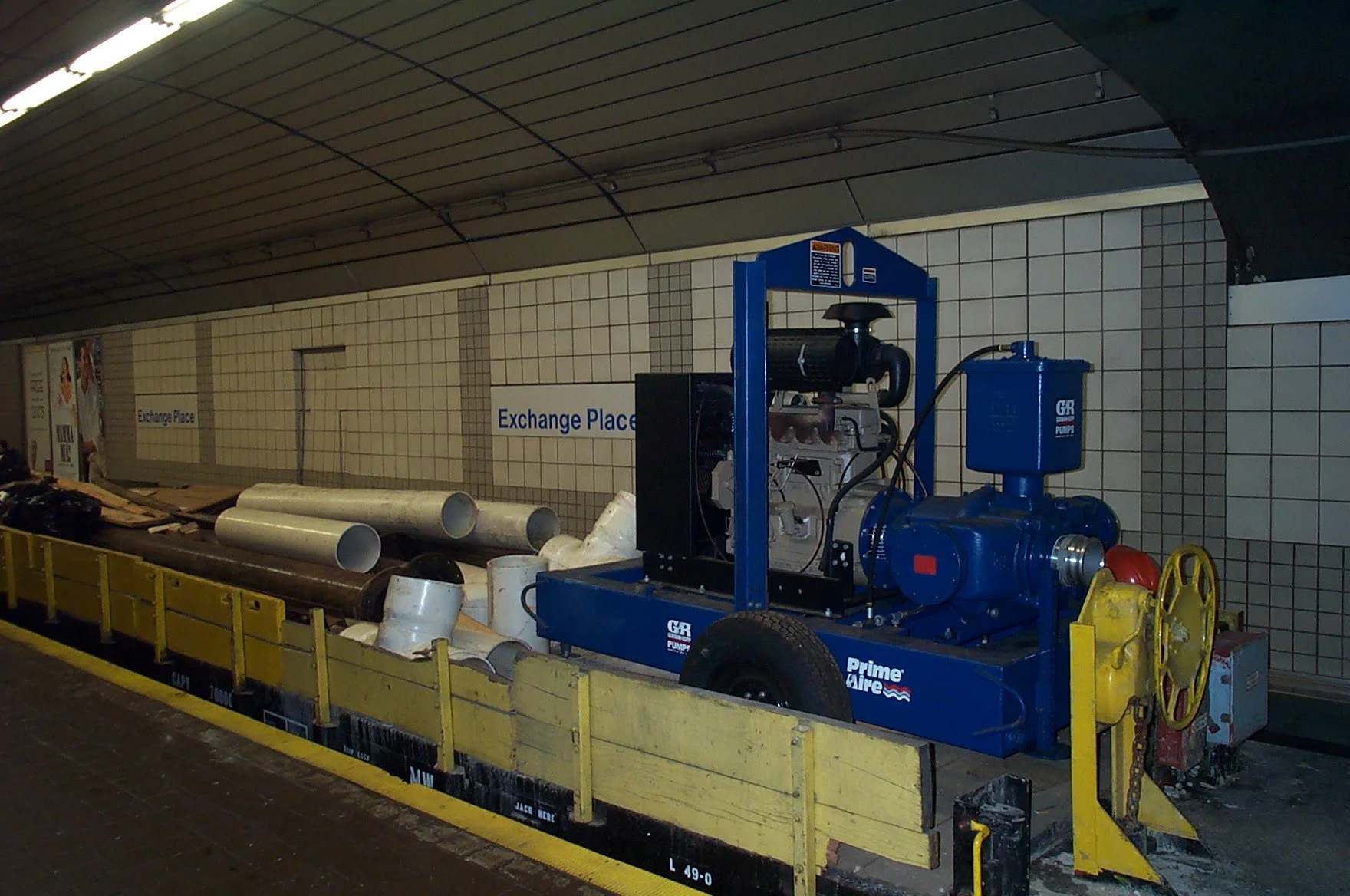
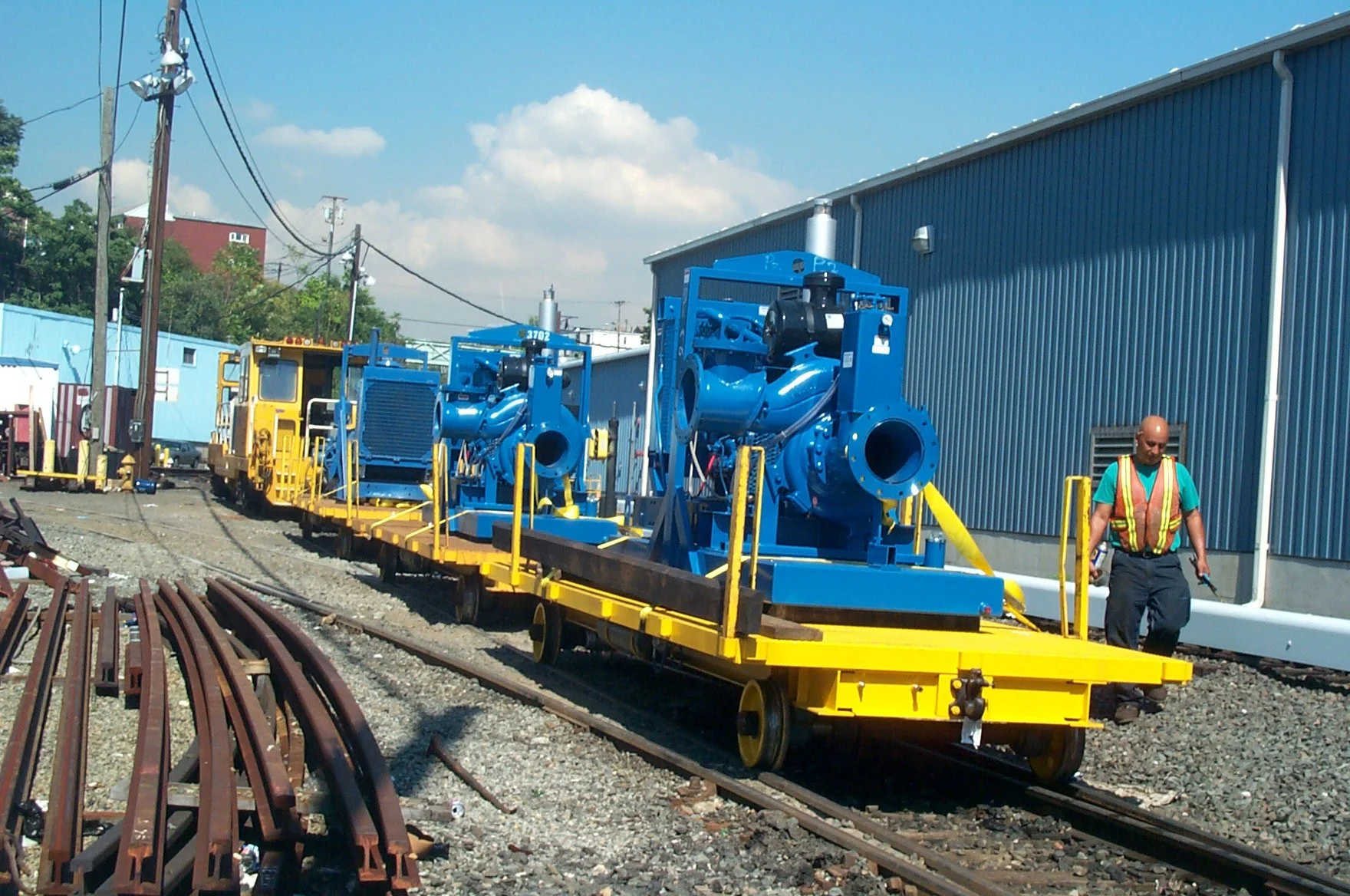
Rail Based Installation: Due to access challenges, equipment was loaded onto rail cars to be carried into the tunnels.
Difficult Environmental Conditions: 90 Degree heat and humidity, contaminated air, and limited ventilation made the around the clock work dangerous for all personnel.
Flooded Tunnels: Divers were utilized to enter the flooded tunnels to perform critical work to allow the pumping process to begin.
Dedicated teams worked around the clock to ensure the tunnels were pumped out and inspections could be performed to look for any damage that might present an additional catastrophic failure.
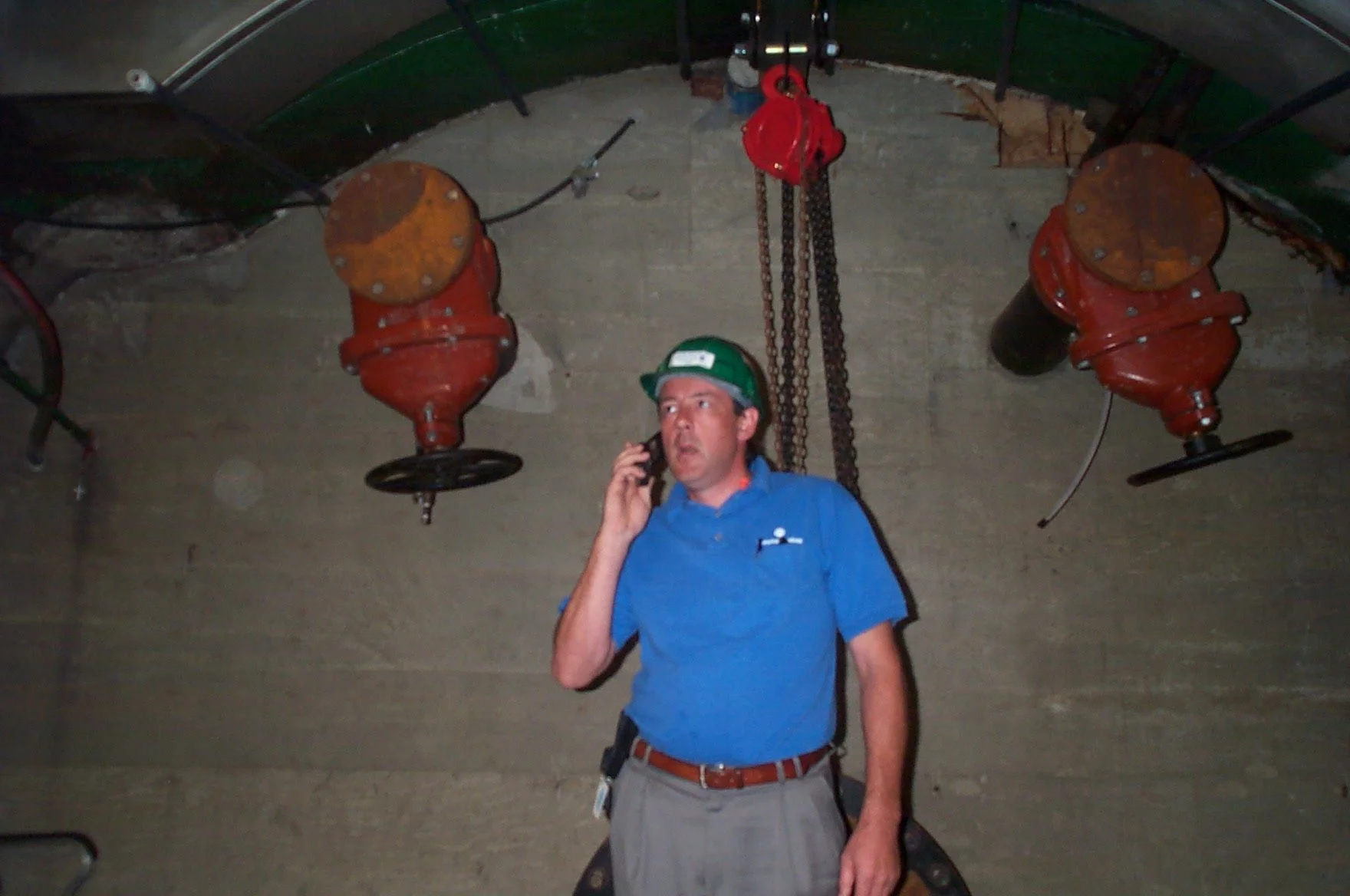
PSI’s team lead by John Corkery worked around the clock on this emergency response effort. Other PSI employees shown - Brett Anderson, Lou Moscetti, Andrew Carlton.